Table of Contents
Affiliate link notice: As an affiliate of BetterHelp and other third-party vendors, we may receive compensation if you make a purchase using the links provided on this page. For more information, visit our disclosure page.
Last Updated on September 10, 2026 by Randy Withers
Most of us know what it feels like to have too much on our plate. Work gets hectic. Problems crop up at home. Bills are due. Someone needs our attention. The phone keeps buzzing. Usually, the rough patch passes and we have a chance to recover.
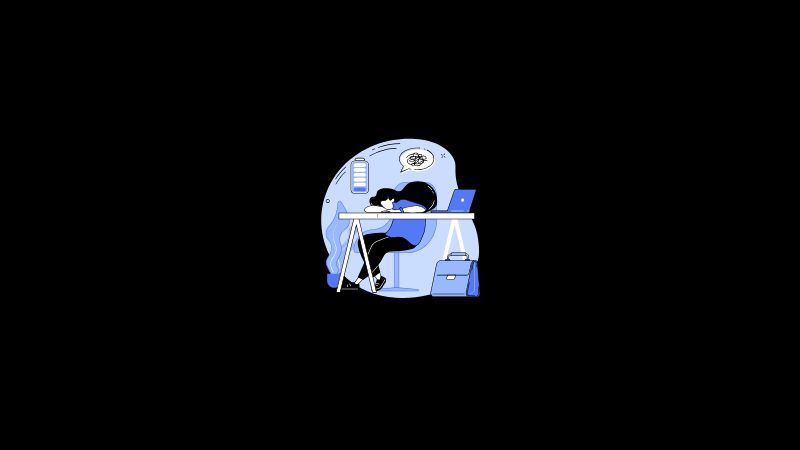
But sometimes the pressure sticks around. One demand follows another, and even minor problems start to feel harder than they should. You may become more irritable, have trouble concentrating, put off decisions, or feel exhausted by tasks you normally handle without much thought. You know you’re overwhelmed, but it can be difficult to point to any single reason why.
People sometimes use the term emotional overload to describe this experience. It isn’t a clinical diagnosis or formal psychological term, but it can be a useful way to describe what happens when sustained stress begins to overwhelm your available resources. Prolonged stress and exhaustion can also contribute to emotional burnout, a term people often use to describe persistent emotional exhaustion or depletion.
Understanding what contributes to emotional overload and recognizing the signs can help you decide what needs your attention.
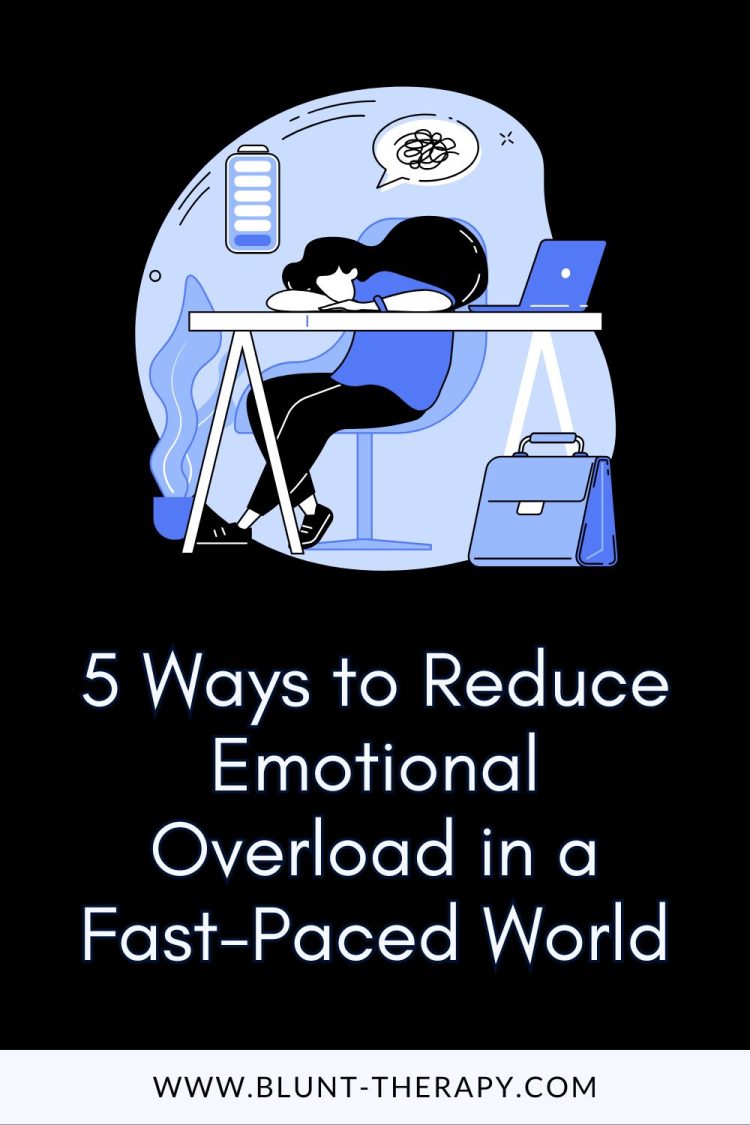
What Is Emotional Overload?
Emotional overload generally describes a state in which the demands on your time, attention, and emotional resources feel greater than your ability to manage them effectively.
Sometimes there is an obvious cause, such as a divorce, serious illness, financial crisis, loss, or major problem at work. Just as often, several smaller stressors pile up. A deadline, family responsibilities, an argument, poor sleep, financial concerns, and an overbooked calendar may each be manageable on their own. Combine them with little time for recovery, and the strain can become much harder to manage.
Modern life can add to the pressure. Emails, texts, news alerts, social media, and other notifications compete for attention throughout the day and make it harder to disconnect. Social media can add another layer when other people’s carefully selected successes become the standard against which we judge our own lives.
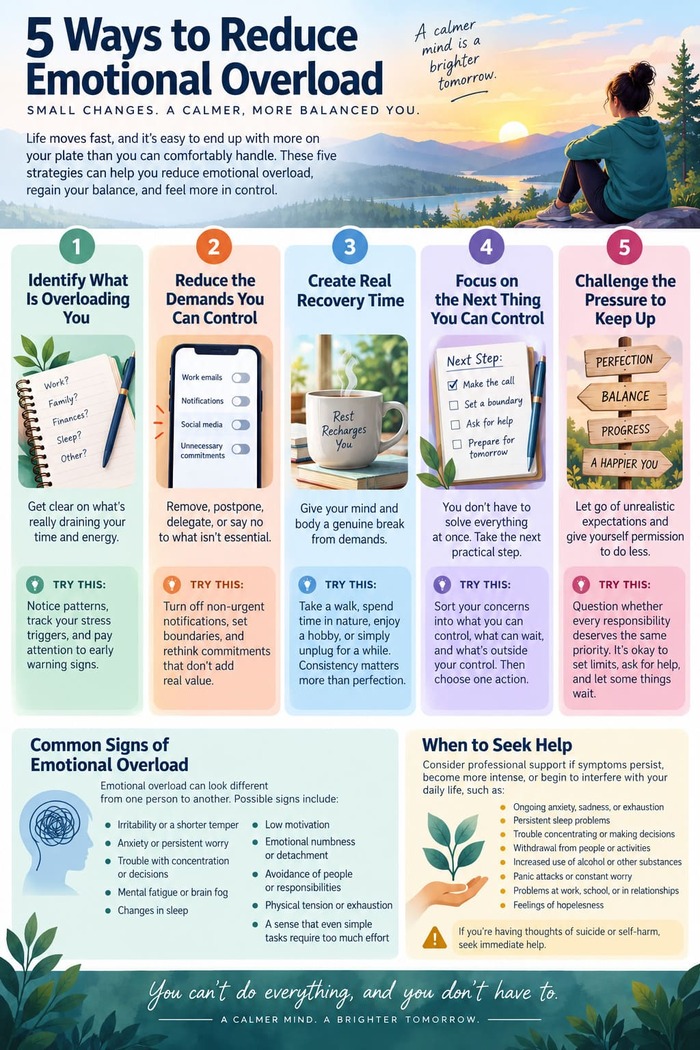
Possible signs of emotional overload include:
- Irritability or a shorter temper
- Anxiety or persistent worry
- Trouble with concentration or decisions
- Mental fatigue or brain fog
- Changes in sleep
- Low motivation
- Emotional numbness or detachment
- Avoidance of people or responsibilities
- Physical tension or exhaustion
- A sense that even simple tasks require too much effort
One or two of these symptoms after a difficult day may simply reflect temporary stress. Duration, severity, and impact provide more useful clues. Symptoms deserve closer attention when they persist, intensify, or interfere with work, relationships, self-care, or daily responsibilities.
Once emotional overload becomes a pattern, it helps to identify which demands require your attention, which can wait, and which you can reduce.
5 Ways to Reduce Emotional Overload
No single strategy can remove every source of stress. Some pressures are temporary, some can be changed, and others may remain outside your control. These five approaches can help you decide where to direct your time and energy.
1. Identify What Is Actually Overloading You
Emotional overload can feel vague because several pressures often arrive at the same time. It helps to sort them out rather than treat everything as one large problem.
Start by paying attention to patterns. Notice when your stress spikes, what happened just before it did, and which demands drain the most energy. Work pressure, conflict at home, financial concerns, poor sleep, caregiving, and constant interruptions can all contribute. Ask yourself what you’re feeling, what seems to be driving it, and what you need most at that moment.
Pay attention to early warning signs as well. A shorter temper, tension in your body, racing thoughts, procrastination, or difficulty with simple decisions can signal that your stress level is starting to climb. Recognizing the pattern early gives you a better chance to respond before the pressure builds further.
2. Reduce the Demands You Can Control
Some sources of stress cannot be changed quickly. Others can be reduced, postponed, delegated, or removed altogether.
Look first at demands that consume time and attention but aren’t essential. That may mean turning off work notifications after a certain hour, declining an optional commitment, limiting news exposure, or stepping back from social obligations you don’t have the capacity for right now.
Consider whether each demand truly requires your attention right now. If the answer is no, you may be able to reschedule it, delegate it, or let it go. A few small changes can create valuable breathing room when several parts of your life are competing for the same limited supply of time and energy.
3. Create Real Recovery Time
Rest helps most when it gives your mind and body a genuine break from demands.
Some activities feel like downtime while still adding stimulation. An hour on social media, work email, or upsetting news may feel like a break without leaving you particularly refreshed.
Recovery doesn’t have to be elaborate. A walk without your phone, a quiet meal, music, exercise, a hobby, time outdoors, or ten minutes without conversation or screens can create some distance from the demands that have occupied your attention all day.
Short breaks can also help create separation between different parts of the day. A few quiet minutes after work, for example, may give you a chance to decompress before you shift your attention to family or household responsibilities. Consistency matters more than waiting for a vacation or a completely free day that may never come.
4. Focus on the Next Thing You Can Control
Emotional overload can become worse when several unresolved problems compete for attention at once. Some require action now. Others can wait. Some are largely outside your control.
Sort them into those three categories. You may not be able to control another person’s reaction, the outcome of a medical test, a company decision, or a financial setback. You may still be able to make a phone call, set a boundary, ask for help, prepare for tomorrow, or decide how you want to respond.
Then choose the next practical step. You don’t have to solve every problem at once. One concrete action gives you something manageable to address and keeps every unresolved problem from feeling equally urgent.
5. Challenge the Pressure to Keep Up
Emotional overload can become even harder to manage when you believe you should be able to handle every demand without difficulty.
People often place rigid expectations on themselves: I should be able to keep up. I shouldn’t need a break. I can’t disappoint anyone. Other people seem to manage more than I do. These thoughts can add guilt and self-criticism to an already stressful situation.
Take a closer look at the standards you have set for yourself. Does every responsibility deserve the same priority? Consider whether your expectations actually match the time and energy you have available.
Sometimes something has to give. A lower-priority task can wait. Someone else can help. An invitation can be declined. A deadline may be negotiable. Changes like these can free up time and energy for the responsibilities that matter most.
When Is It Time to Seek Help for Emotional Overload?
Emotional overload may ease once the immediate pressure passes or practical changes reduce the demands a person faces. Professional help may be worth considering when symptoms persist, become more intense, or begin to interfere with daily life.
Pay particular attention if you notice:
- Anxiety, irritability, sadness, or exhaustion that lasts for weeks
- Persistent sleep problems
- Trouble concentrating, making decisions, or completing ordinary responsibilities
- Withdrawal from friends, family, or activities you usually enjoy
- More frequent use of alcohol or other substances to cope
- Panic attacks or a constant sense of being on edge
- Problems at work, school, or in important relationships
- Hopelessness or a sense that you cannot keep up no matter what you change
Hopelessness deserves particular attention. If it includes thoughts of suicide or self-harm, seek immediate help rather than waiting to see whether the symptoms improve.
Persistent symptoms may also occur alongside anxiety, depression, trauma-related problems, or other mental health concerns. Prolonged stress can contribute to the deeper exhaustion people sometimes describe as emotional burnout. For broader context, anxiety statistics can show how common anxiety symptoms are, although prevalence data cannot explain the cause of one person’s symptoms.
A therapist, psychologist, psychiatrist, or other qualified mental health professional can help sort through the factors that may contribute to the problem. These may include stress at home or work, unhelpful thought patterns, poor boundaries, unresolved grief or trauma, sleep problems, substance use, or another mental health condition. Professional support can also help you identify realistic changes and develop strategies that fit your circumstances.
You don’t have to wait for a crisis to ask for help. If you have made reasonable changes and still feel overwhelmed most days, an outside perspective may help you identify patterns that are difficult to see when you are already stretched thin.
Final Thoughts
Emotional overload often develops gradually, which makes the early signs easy to dismiss. Once stress begins to affect your mood, concentration, relationships, sleep, or ability to handle everyday responsibilities, take a closer look at what is consuming your resources.
Some pressures have to be weathered. Others can be reduced, postponed, delegated, or approached differently. Protect time for genuine recovery, focus on problems you can influence, and question expectations that require more from you than you can reasonably give. If the strain persists despite those changes, professional support may help you understand why.
There will always be demands on your time and attention. They don’t all deserve equal access to either.