


Recent Posts on Blunt Therapy

5 Hidden Ways Holiday Grief Impacts Seniors—and How to Help
The holidays are supposed to be a time of comfort, tradition, and connection. At least, that’s the story we’re sold. But for many older adults, the season doesn’t bring warmth—it brings a familiar ache. A quiet heaviness. A sudden awareness of who’s missing, what has changed, and how sharply memories…

5 Provider Utilization Tools Every Therapist Needs To Know About
Behavioral health clinicians are under intense and growing pressure. Demand for services has surged, while documentation, billing rules, and regulatory requirements have multiplied. Many providers now spend a large portion of their day on nonclinical work—charting, scheduling, chasing prior authorizations, and navigating multiple software systems—rather than sitting with patients. Surveys…

5 Ways to Stop Faking Self Love (Plus 4 Tips To Do It Right)
In today’s wellness-obsessed world, self love gets praised, packaged, and pushed into routines—but real care isn’t a performance. The question that matters is simple: am I loving myself or just performing it? For many people, “self-care” becomes another box to check, and when that happens, it drains more than it…

How to Plan Safe Dates When Your Partner Has Severe Food Allergies
Dating someone with severe food allergies can be both rewarding and intimidating. For many couples, a simple dinner date becomes a careful balancing act between romance and responsibility. Yet learning to plan safe dates doesn’t mean sacrificing spontaneity or excitement—it means building deeper trust through mindfulness, creativity, and communication. Food…
8 Ways to Make Decluttering Your Home a Gentle, Healing Process
When people talk about decluttering, they often focus on the visible results—tidier closets, organized shelves, or open spaces. But decluttering is about much more than cleaning up. It’s an emotional journey, one that asks you to face memories, confront attachments, and make peace with change. Every object tells a story,…

It’s Totally Normal to Have Anxiety When Switching Careers – Here Are 9 Ways to Cope
Switching careers is one of those life decisions that feels thrilling and terrifying at the same time. On the surface, there’s the excitement of new possibilities. However, there’s often a swirl of doubts and fears beneath that. It’s essential to know that career change anxiety is completely normal and even…

The Importance of Play in Relationships: How Fun Rekindles Connection
Most couples begin their relationship with laughter, adventure, and lighthearted fun. But as the years go by, work, parenting, and daily responsibilities often push playfulness to the background. Partners may find themselves functioning more like teammates managing tasks than two people deeply enjoying each other’s company. That’s why understanding the…
Career Development and Mental Health: 10 Ways to Stay Balanced
Pursuing a career fueled by passion is often framed as the ultimate path to fulfillment. The idea of waking up excited to contribute to meaningful work is appealing, but the reality can be far more complicated. Rising living costs, student debt, and unpredictable markets often force professionals to make difficult…
Naltrexone Implants: A Complete Guide to Understanding How They Help Overcome Addiction
7 Ways Trauma-Informed Care Creates Sustainable Recovery from Addiction
Addiction is often misunderstood as a matter of willpower or moral failure, but a trauma-informed perspective offers a different framing. Addiction is an intelligent survival strategy the nervous system adapts as a response to overwhelming pain, trauma, or disconnection. When recovery is viewed this way, we shift from shame and…
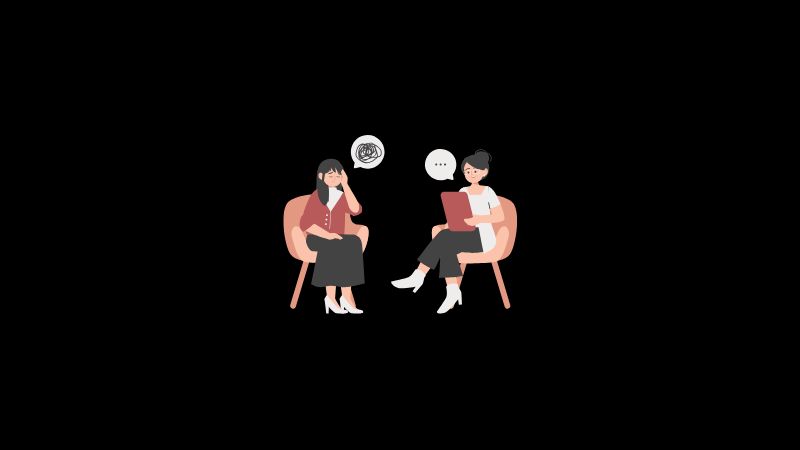
When to Seek Mental Health Help: 7 Clear Signs You Shouldn’t Ignore
Everyone faces stress, sadness, and setbacks. But sometimes the weight becomes too heavy and begins to affect how you think, feel, and function. Recognizing when it’s time to seek mental health help can feel confusing—many people second-guess their needs or wait for a crisis before reaching out. You don’t have…
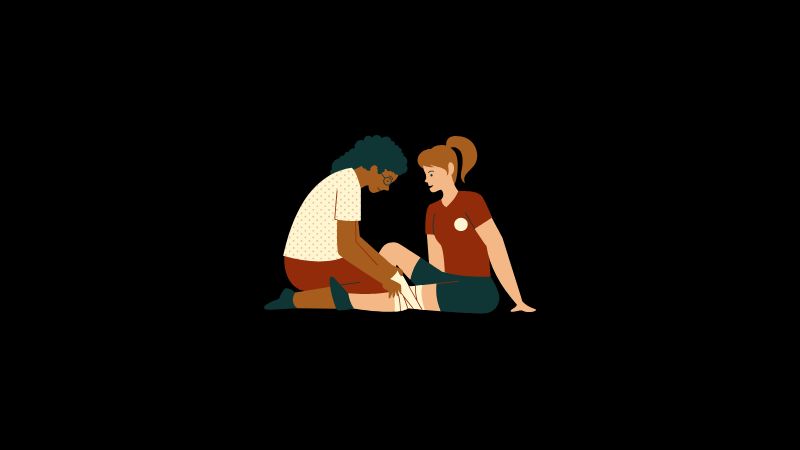
7 Ways to Protect Your Mental Health After a Life-changing Injury
A life-changing injury affects far more than the body—it reshapes daily routines, independence, identity, and emotional stability. While physical pain may be the most obvious struggle, the psychological toll is just as significant. Feelings of grief, frustration, isolation, or fear can make recovery overwhelming, especially if mental health is overlooked….